
If flossing has always felt like a chore or something that’s easy to forget about, or if traditional floss just doesn’t seem to work with your sensitive gums, you are far from alone! In fact, this is why water flossers have become such a popular alternative for flossing these days, and many patients even claim that there’s no way they could ever go back to using regular floss. That said, how do you know which is best for you? Here’s a closer look at each option and how both can contribute to defending you from gum disease.
Why Flossing Matters
Though it might sound surprising, did you know that brushing only cleans around 60% of your teeth’s surfaces? The spaces between your teeth and along the gumline are where plaque tends to hide, and if it isn’t removed daily, it hardens into tartar that can only be removed by your dentist and their team. Left untreated, this buildup is one of the leading causes of gum disease, which is why daily interdental cleaning, simply known as flossing, is such an essential part of protecting your smile.
How Traditional Floss Works
Traditional dental floss has been used for quite some time, and for good reason: it works! When used correctly, it physically scrapes plaque and food debris off the sides of your teeth and gently below the gumline. Better yet, it’s inexpensive, portable, and doesn’t require electricity.
All of that said, it still matters that you use floss the right way. Many people still skip certain areas of the mouth, or floss too aggressively and harm their gum tissue. Using a gentle, C-shaped motion and gliding between the sides of each tooth, rather than aggressively sawing back and forth, is the way to do it.
The Advantages of Water Flossers
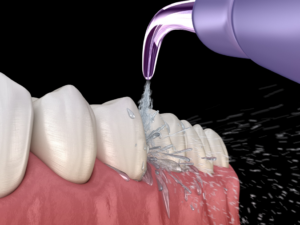
Water flossers use a steady, pressurized stream of water to flush out plaque and debris from between teeth and around the gumline. They can be especially helpful for patients with braces, as well as those with limited hand dexterity, since they’re often easier to maneuver than string floss. While they require electricity and a bit of a learning curve, their effectiveness when it comes to preventing gum disease cannot be understated.
The bottom line is, both of these methods can be effective when used consistently and correctly. String floss offers precise, targeted plaque removal, while water flossers offer convenience and ease of use. The most important factor isn’t which tool you choose; it’s making sure you’re cleaning between your teeth every single day!
About the Practice
Here at Ralph Avenue Dental Care, our team has proudly served the needs of patients in Brooklyn and the surrounding neighborhoods, offering a wide range of preventive, cosmetic, and restorative treatment options, as well as numerous gum disease treatments designed to combat the condition at every stage. If you’re ready to schedule an appointment for yourself or a loved one, or you have any questions about the blog, you’re more than welcome to reach out online or call us today for more information. Telephone: (718) 531-0300.